

The explosion of Decentralized Finance (DeFi) during 2020 and 2021, has brought a rise in renewed interest in DAOs; and a number of DAOs have already grabbed the attention of more conventional venture capitalists, including Mark Cuban, the billionaire who called them “the ultimate combination of capitalism and progressivism.”
As the crypto community predicts that DAOs will be the next big trend in the space and mainstream investors start to take notice, in this article we will explain what is a decentralized autonomous organization, DAO?
What Is DAO?
A decentralized autonomous organization (DAO) as the name suggests is an entity with no central leadership. DAOs are internet-native organizations collectively owned and managed by their members.
The core idea of DAO's started out as organizations that automate business functions and processes using smart contracts and other blockchain fundamentals. Wikipedia defines DAOs as "an organization represented by rules encoded as a computer program that is transparent, controlled by the organization members and not influenced by a central government. A DAO's financial transaction record and program rules are maintained on a blockchain."
So in simple terms, a DAO is can be understood as an internet community with a shared bank account. Organization’s members directly serve as managers and owners without a need for extra bureaucracy because the organization is run by code on the blockchain rather than a hierarchical leadership system.
DAOs are already being used for many use cases such as investment, fundraising, borrowing, charity, or buying NFTs, all without intermediaries. For example, a DAO can receive donations from anyone around the world and the members can settle on a plan of action on how to spend donations.
How do DAOs work?
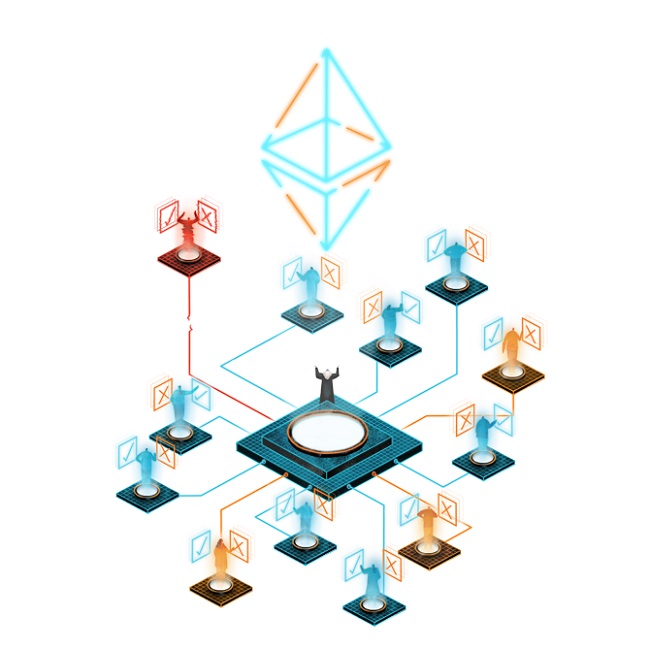
The DAO structure and function rely on smart contracts that automatically execute when conditions are fulfilled. These smart contract outlines the organization’s rules, which can only be changed via vote.
The foundational framework of the DAO is established by a core team of community members through the use of smart contracts that lay out how the DAO is to operate. These smart contracts are highly visible, verifiable, and publicly auditable so anyone or a potential member can fully understand how the protocol is to function at every step.
Once these foundational rules are formally written and deployed onto the blockchain, the next step that comes is funding. Funding is typically achieved through token issuance. The DAO sells tokens to raise funds and fill the treasury. Token holders are given certain voting rights, that are generally proportional to their holdings. After the completion of funding the DAO is deployed.
After a DAO gets deployed, it can no longer be controlled by a single party and is governed by a community of participants. Community members can give proposals about the future operations of the protocol and vote on each proposal. Those proposals that achieve consensus are then accepted and enforced by the rules that already exist within the smart contract.
Examples of DAO
MakerDAO
MakerDAO is a decentralized organization dedicated to bringing stability to the cryptocurrency economy. MakerDAO is decentralized finance's largest central bank, and is also the creator of the largest decentralized stablecoin DAI. MakerDAO started as a crypto lending credit facility that gives loans at predetermined interest rates. A MakerDAO user can borrow, by depositing the Ethereum into a Maker smart contract.
The Maker Protocol, along with its Dai stablecoin, builds a vital base layer infrastructure for numerous other protocols in decentralized finance.
[
Source: MakerDao
DashDAO
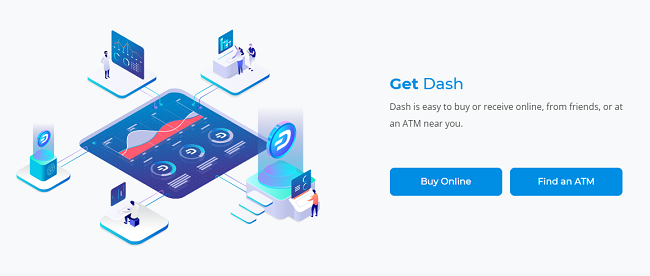
Dash is a comprehensive online payment system and an inexpensive alternative to conventional cash and card transactions. Dash is a DAO which means that governance issues are handled entirely by the Dash user community instead of a centralized authority. The Dash ecosystem includes a range of products and solutions, including Payment processing solutions; Fiat onramp solutions; Cryptocurrency custody tools and APIs; Software development kits, and Business services solutions.
[
Source: DashDao
MolochDAO
MolochDAO is an example of share-based membership, where a prospective member is required to submit a proposal to join the DAO, usually offering some value in the form of tokens or work. MolochDAO is focused on funding Ethereum projects. In a share-based membership, a user can't just buy access and rights in DAO in open maket. The group assesses whether you have the necessary expertise and capital to make informed judgments about potential grantees.
Source: Maloch
Why DAOs?
To start an organization you require a lot of trust in the people you're working with. But it’s hard to trust someone where funding and money is involved. With DAOs, you don’t need to trust anyone, just the DAO’s code, which is fully transparent and verifiable by anyone. This opens up so many new opportunities for global collaboration and coordination. The lack of a hierarchy also allows any stakeholder to put forward an innovative idea that the entire group will consider and can improve upon.
Image Source: ethereum.org
Get the weekly commit
New blockchain deep dives every week.
